
How to Choose the Right 3PL Partner

The evaluation criteria, discovery questions, pricing structures, and red flags to check before you sign. Choosing the right 3PL partner is one of the most consequential operational decisions an ecommerce brand makes, and most brands get it wrong at least once. According to GoBolt’s 2025 State of Logistics Report, which surveyed 263 brands across North […]
Subscription Box Fulfillment Solutions

Kitting, cycle batching, and subscriber-list discipline for the recurring-shipment business model. Looking for a fulfillment partner for your subscription business? See our subscription box fulfillment service. Subscription box fulfillment runs on different operational rules than regular ecommerce. The unit of work is the kit, not the SKU. A monthly beauty box containing 7 individual products […]
Industry-Specific Fulfillment Solutions
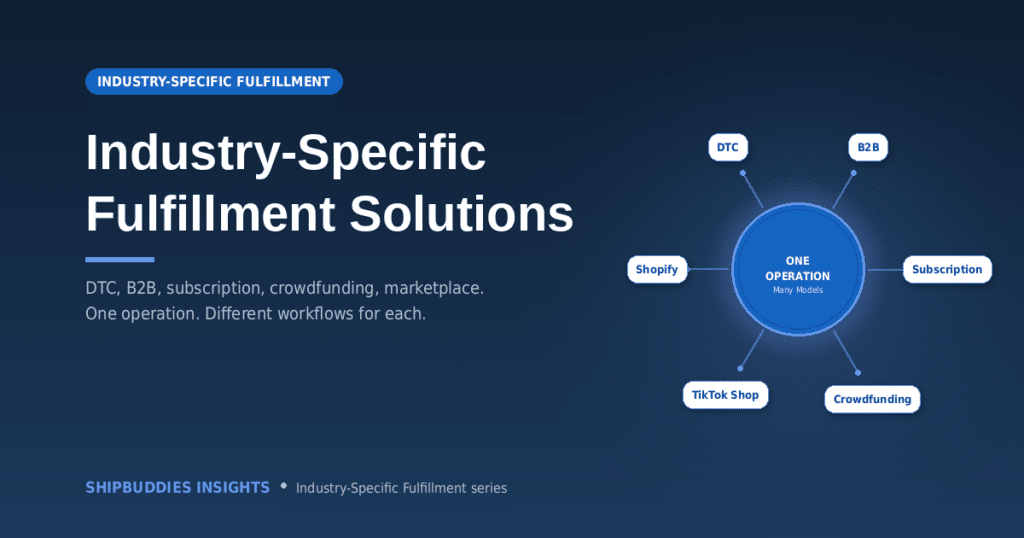
DTC, B2B, subscription, crowdfunding, TikTok, Shopify, Amazon: each business model needs a fulfillment workflow built for it. Industry-specific fulfillment is the practice of running outsourced order processing on workflows built for a specific business model rather than a one-size-fits-all template. A DTC brand needs branded packaging and unboxing care. A subscription box needs kitting and […]
Fulfillment Pricing Models Explained
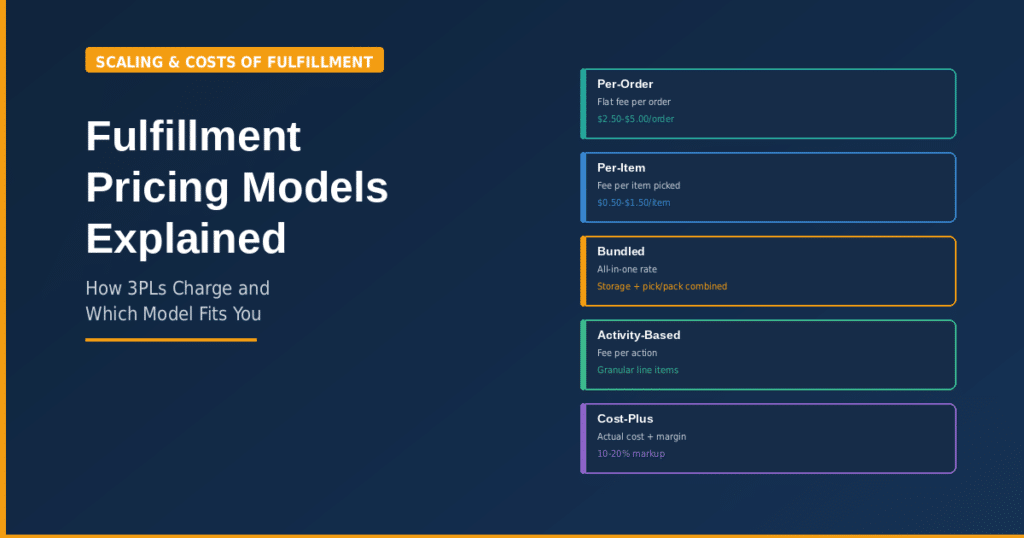
A fulfillment pricing model is the fee structure a 3PL or fulfillment center uses to charge ecommerce sellers for storing inventory, processing orders, and shipping packages. The most common models are per-order pricing, per-item pricing, bundled (all-inclusive) pricing, activity-based pricing, and cost-plus pricing. Each one distributes costs differently across storage, pick and pack, shipping, and […]
Fulfillment Cost Breakdown: What Ecommerce Sellers Actually Pay
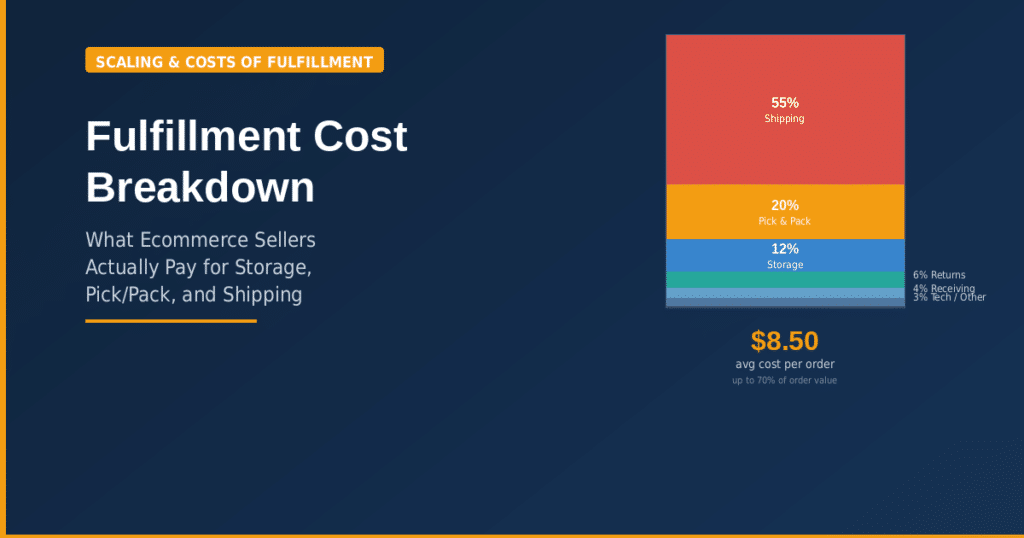
A fulfillment cost breakdown is the itemized accounting of every expense involved in storing inventory, processing orders, picking and packing products, and shipping packages to customers. It includes storage fees, pick and pack charges, outbound shipping, inbound receiving, returns processing, packaging materials, and technology fees. Each component has its own pricing structure, and the total […]
How to Scale Fulfillment for Peak Seasons
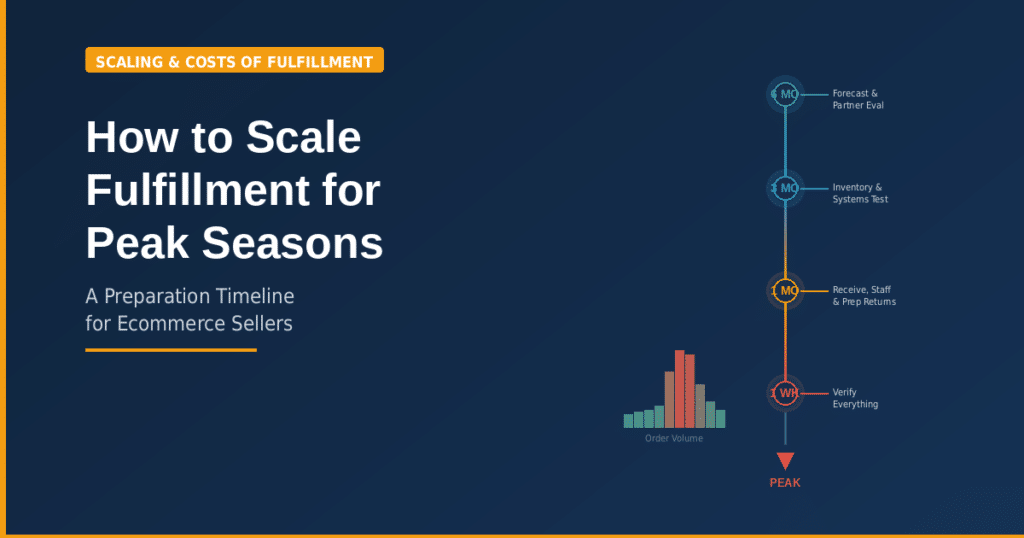
Peak season fulfillment scaling is the process of expanding inventory levels, warehouse throughput, staffing capacity, carrier coordination, and technology systems to absorb order volumes that increase 100% to 200% above daily baseline during high-demand periods. For most ecommerce sellers, peak season spans October through January, driven by Black Friday, Cyber Monday, and holiday shopping. Unscheduled […]
Multi-Carrier Shipping Strategies for Ecommerce Sellers
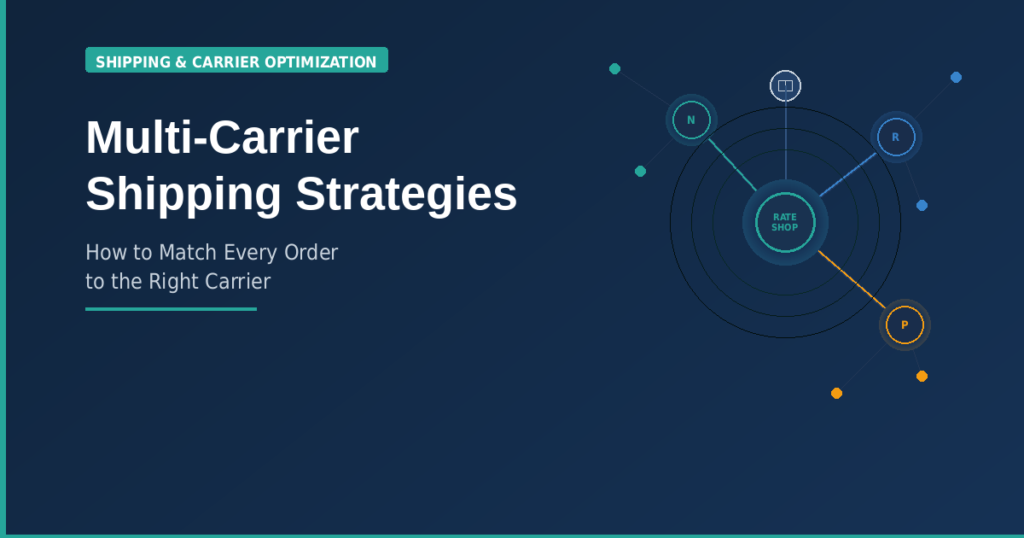
A multi-carrier shipping strategy uses more than one carrier to deliver orders. Instead of sending every package through a single provider, you match each shipment to the carrier that offers the best combination of cost, speed, and reliability for that specific order. The logic is straightforward. No single carrier is the cheapest, fastest, and most […]
Same-Day and Next-Day Shipping: What Ecommerce Sellers Need to Know
Same-day and next-day shipping have moved from competitive advantage to baseline expectation. Customers who once considered two-day delivery fast now expect orders at their door within 24 hours, and 43% will abandon a cart if shipping feels too slow. But here is the part most sellers miss: same-day shipping and same-day delivery are not the […]
3PL vs 4PL vs In-House Fulfillment: Choosing the Right Model
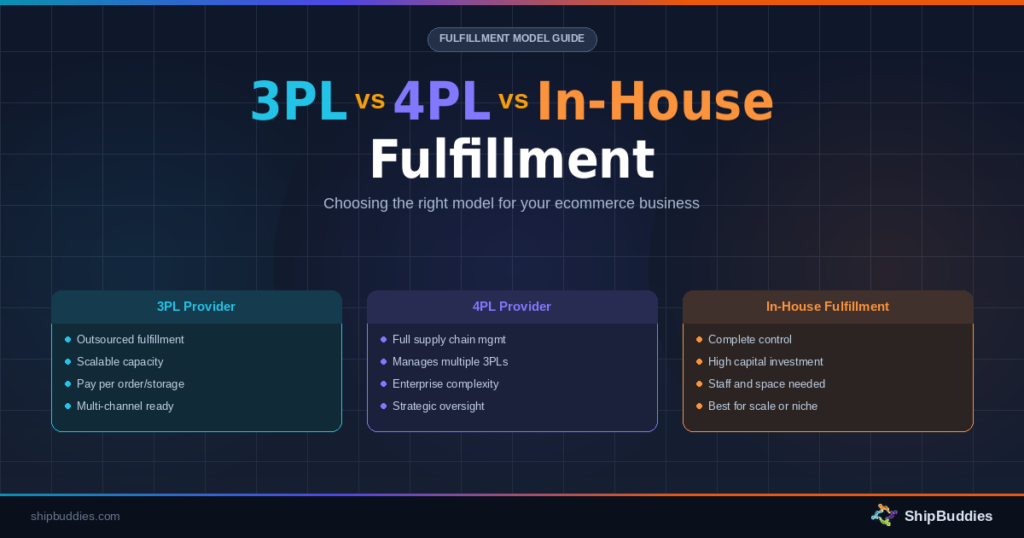
Your fulfillment model shapes everything: your costs, your control, your ability to scale, and ultimately, your customer experience. Choosing between third-party logistics (3PL), fourth-party logistics (4PL), and in-house fulfillment isn’t just a logistics decision. It’s a business strategy decision. Here’s the short version: A 3PL handles your day-to-day fulfillment operations. A 4PL manages your entire […]